Welcome to
Pilibhit Tiger
Reserve
A perfect destination for wildlife lovers, nature photographers, and adventure travelers looking to experience the raw beauty of the Terai forests.
Book Your Safari
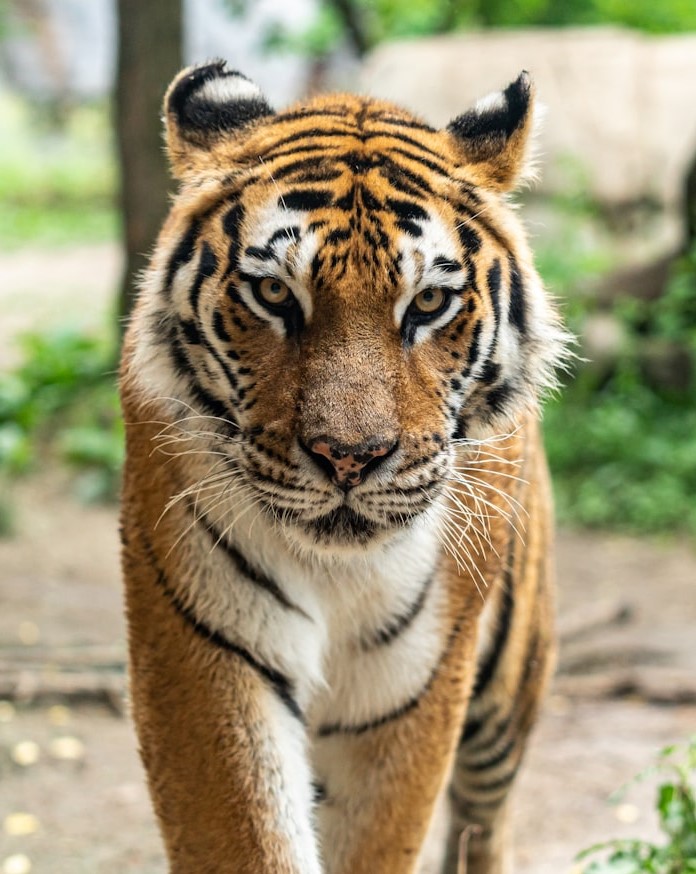
Pilibhit Tiger Reserve, Uttar Pradesh
Pilibhit Tiger Reserve is a perfect destination for wildlife lovers, nature photographers, and adventure travelers looking to experience the raw beauty of the Terai forests. Located in Uttar Pradesh near the Indo-Nepal border, the reserve is known for its peaceful jungle environment, rich biodiversity, and exciting tiger safari experience.
Spread across lush green forests, grasslands, wetlands, and river ecosystems, Pilibhit Tiger Reserve offers visitors a unique opportunity to explore nature in its purest form. The reserve is home to the majestic Royal Bengal Tiger along with leopards, swamp deer, barking deer, wild boars, crocodiles, and hundreds of bird species.
One of the biggest attractions of Pilibhit is its natural landscape. Unlike crowded wildlife destinations, the reserve provides a calm and untouched forest experience where tourists can enjoy the beauty of nature without heavy tourist traffic. The fresh forest air, scenic safari routes, and peaceful surroundings make Pilibhit an ideal place for wildlife tourism in Uttar Pradesh.
The jungle safari in Pilibhit Tiger Reserve is a major highlight for visitors. Open Gypsy Safari rides take tourists deep into the forest through sal trees, riverbanks, and grassland areas where wildlife sightings are common. Every safari offers a different experience, making it exciting for photographers and nature enthusiasts.
Pilibhit is also famous for birdwatching and eco-tourism activities. The reserve's wetlands and river systems attract many local and migratory birds throughout the year. Nature lovers often visit places like Chuka Beach to enjoy forest stays, sunrise views, and relaxing moments close to nature.
The reserve plays an important role in tiger conservation and environmental protection in India. Its connected forest landscape supports healthy wildlife movement and helps maintain ecological balance in the Terai region.
Whether you are planning a family holiday, jungle adventure, wildlife photography trip, or weekend nature escape, Pilibhit Tiger Reserve offers an unforgettable experience filled with wildlife, greenery, and natural beauty.
History of Pilibhit Tiger Reserve
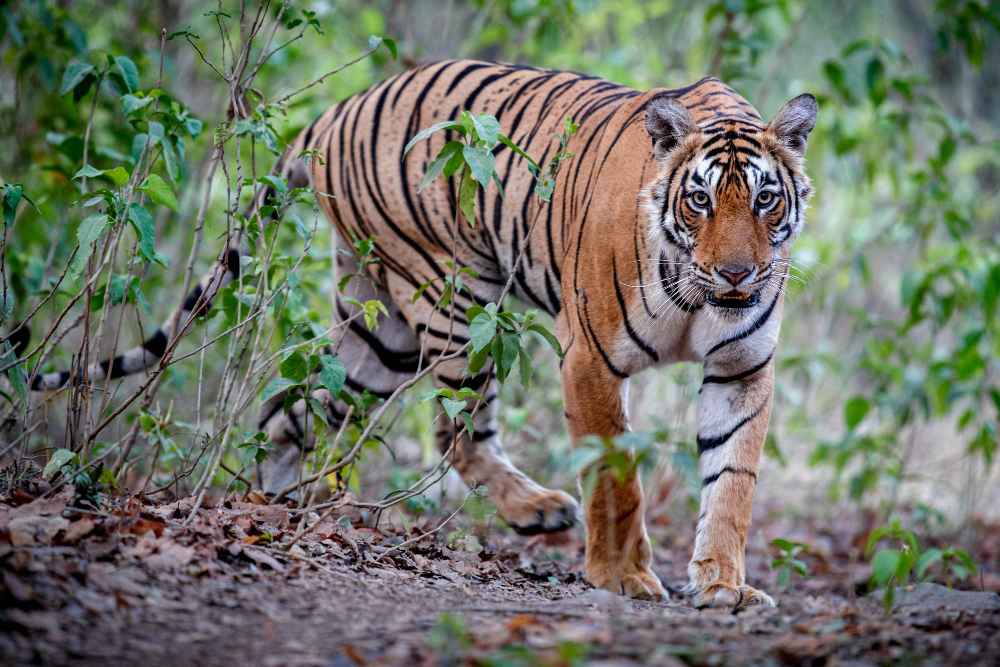
Pilibhit Tiger Reserve is one of the youngest and fastest-growing tiger reserves in India. Located in the Terai region of Uttar Pradesh near the Nepal border, the reserve is famous for its dense sal forests, tall grasslands, rivers, and rich wildlife population. Today, it is considered one of the best destinations for wildlife lovers seeking an exciting tiger safari experience in North India.
The history of pilibhit forest have been important for wildlife for many decades. Earlier, this region was primarily known for its natural forests and timber resources, but conservation efforts increased gradually due to the growing tiger population and the ecological importance of the area. The reserve is part of the famous Terai Arc Landscape, which connects important wildlife habitats of India and Nepal.
Early Conservation Era
The forests of Pilibhit have been important for wildlife for many decades. Earlier, this region was primarily known for its natural forests and timber resources, but conservation efforts increased gradually due to the growing tiger population and the ecological importance of the area.
Terai Arc Landscape Connection
The reserve is part of the famous Terai Arc Landscape, which connects important wildlife habitats of India and Nepal. This ecological corridor supports healthy wildlife movement and helps maintain ecological balance in the broader Terai region.
2014 – Official Tiger Reserve Status
In 2014, Pilibhit officially received the status of a Tiger Reserve under Project Tiger by the Government of India. Since then, the reserve has become an important center for tiger conservation and eco-tourism. Due to strong forest protection and habitat management, the number of Bengal tigers in Pilibhit Tiger Reserve has increased rapidly over the years.
Natural Beauty & Wildlife
One of the biggest highlights of Pilibhit Tiger Reserve is its natural beauty. The reserve is filled with green forests, open grasslands, rivers, and wetlands that create a perfect habitat for wildlife. Apart from Royal Bengal Tigers, visitors can also spot leopards, swamp deer, barking deer, wild boar, crocodiles, and many rare bird species during the jungle safari.
Today, Pilibhit Tiger Reserve safari is becoming increasingly popular among tourists searching for wildlife tours in Uttar Pradesh. With better safari management, eco-tourism activities, and successful tiger conservation programs, the reserve has gained recognition as one of India’s important tiger habitats.
Today – Growing Eco-Tourism Destination
Today, Pilibhit Tiger Reserve safari is becoming increasingly popular among tourists searching for wildlife tours in Uttar Pradesh. With better safari management, eco-tourism activities, and successful tiger conservation programs, the reserve has gained recognition as one of India's important tiger habitats. Whether you are a wildlife photographer, nature lover, or adventure traveler, Pilibhit Tiger Reserve offers a perfect combination of jungle safari, rich history, and natural beauty in the heart of the Terai forests.
Best Time to Visit Pilibhit Tiger Reserve
Pilibhit Tiger Reserve is open for tourists from October to June, and every season offers a different wildlife experience. Choosing the best time to visit Pilibhit Tiger Reserve depends on the type of experience you want during your jungle trip.
Winter Season
Winter is considered one of the best seasons for visiting Pilibhit Tiger Reserve. During this time, the weather remains cool and comfortable, making jungle safaris more enjoyable for tourists. The forests look fresh and green after the monsoon season, and birdwatching becomes a major attraction because many migratory birds arrive in the wetlands and river areas. Wildlife sightings are also good during winter, especially deer species, birds, crocodiles, and occasionally tigers near open grasslands. This season is perfect for families, photographers, and travelers looking for a pleasant wildlife holiday in Uttar Pradesh.
Summer Season
Summer is the best time for tiger sightings in Pilibhit Tiger Reserve. As temperatures rise, wild animals often come near water sources, rivers, and grasslands, increasing the chances of spotting Royal Bengal Tigers during safari tours. The forest becomes drier in summer, which improves visibility inside the jungle. Wildlife photographers and adventure travelers usually prefer this season because jeep safari experiences become more exciting with higher chances of seeing tigers, leopards, and other animals. April, May, and early June are especially popular among tourists searching for the best tiger safari experience in Pilibhit Tiger Reserve.
Monsoon Season
During the monsoon season, Pilibhit Tiger Reserve usually remains closed for tourism activities because of heavy rainfall and forest conservation work. The rains help restore the greenery and natural beauty of the reserve, preparing the forest for the next safari season.
Best Time for Pilibhit Tiger Safari
For pleasant weather and birdwatching, October to February is the best time to visit Pilibhit. For better tiger sightings and thrilling jungle safaris, March to June is considered the best safari season. No matter which season you choose, Pilibhit Tiger Reserve offers a unique wildlife experience with beautiful forests, rich biodiversity, and peaceful natural surroundings. It is one of the best wildlife destinations in Uttar Pradesh for nature lovers and adventure travelers.
Popular Attractions Near Pilibhit Tiger Reserve
Pilibhit Tiger Reserve is not only famous for its thrilling jungle safari and tiger sightings, but also for several beautiful tourist places located nearby. Travelers visiting Pilibhit can explore peaceful nature spots, religious places, riverside destinations, and wildlife attractions around pilibhit. These nearby attractions make Pilibhit a perfect destination for wildlife and nature tourism in Uttar Pradesh.
Chuka Beach
Chuka Beach is the most popular tourist attraction near Pilibhit Tiger Reserve. Surrounded by dense forests and located near the Sharda Sagar Dam, this eco-tourism destination is known for its natural beauty and peaceful atmosphere. Visitors enjoy nature stays, forest cottages, boating views, birdwatching, and beautiful sunrise scenes at Chuka Beach. It is one of the best places for relaxation after a jungle safari in Pilibhit.
Sharda Sagar Dam
Located close to the reserve, Sharda Sagar Dam is another scenic attraction for tourists. The dam offers beautiful river views and attracts visitors looking for photography, sightseeing, and peaceful nature experiences. During winter, the area becomes popular for birdwatching because many migratory birds visit the wetlands around the dam.
Gomti Udgam Sthal
Gomti Udgam Sthal is an important religious and natural attraction near Pilibhit. It is believed to be the origin point of the Gomti River, one of the sacred rivers of North India. Surrounded by greenery and calm surroundings, this place attracts both pilgrims and nature lovers.
Jhand Taal
Jhand Taal is a beautiful wetland area near Pilibhit known for its rich birdlife and natural environment. Wildlife enthusiasts and bird photographers often visit this place to spot local and migratory birds. The peaceful atmosphere and natural scenery make it a hidden attraction for eco-tourism near Pilibhit Tiger Reserve.
Dudhwa National Park
For travelers interested in exploring more wildlife destinations, Dudhwa National Park is located within reachable distance from Pilibhit. Dudhwa is famous for tiger safaris, swamp deer, rhinos, and dense Terai forests. Many wildlife tourists combine Pilibhit Tiger Reserve and Dudhwa National Park in a single wildlife tour package.
Local Forest Villages & Nature Trails
The villages and forest areas surrounding Pilibhit offer visitors a chance to experience the traditional culture and natural beauty of the Terai region. Nature walks, village tourism, and forest trails allow tourists to enjoy a peaceful environment away from city crowds.
Flora and Fauna of Pilibhit Tiger Reserve
Pilibhit Tiger Reserve is home to dense Sal forests, open grasslands, and rich wetlands that support an incredible variety of wildlife. The reserve shelters over 70 Royal Bengal Tigers, leopards, swamp deer, and 400 plus bird species. Its diverse flora and fauna make Pilibhit Tiger Reserve one of the most biologically rich Terai ecosystems in North India.
Flora
The forests of Pilibhit Tiger Reserve are mainly covered with dense sal trees, which form the backbone of the reserve's ecosystem. Along with sal forests, the area also includes teak, khair, sheesham, bamboo, and several medicinal plant species.
Large grasslands and wetland vegetation inside the reserve create an ideal habitat for herbivorous animals and birds. The rivers and marshy areas help maintain greenery throughout the year and support the ecological balance of the forest.
The natural vegetation of Pilibhit not only provides shelter to wildlife but also adds scenic beauty to the jungle safari experience. During winter and monsoon seasons, the forest becomes even more lush and attractive for nature lovers and photographers.
Fauna of Pilibhit Tiger Reserve
Pilibhit Tiger Reserve is widely known for its healthy population of Royal Bengal Tigers. The reserve is a crucial tiger habitat in Northern India and attracts wildlife enthusiasts seeking thrilling tiger safari experiences.
Apart from tigers, the reserve is home to many other wild animals including:
Birdlife
The reserve is also famous for its birdlife. More than 400 species of birds are found in Pilibhit, including migratory birds that visit during winter. Wetlands, rivers, and grasslands make the reserve a paradise for birdwatching and wildlife photography.
Some commonly seen birds include:
Rich Biodiversity of the Terai Region
The combination of forests, grasslands, wetlands, and rivers makes Pilibhit Tiger Reserve one of the most ecologically rich areas in Uttar Pradesh. Its diverse flora and fauna support a balanced ecosystem and make the reserve an important center for wildlife conservation in India.
Visitors exploring the reserve through jungle safari tours can experience the beauty of untouched forests and observe wildlife in its natural habitat. Whether you are a nature lover, wildlife photographer, or adventure traveller.
Things To Do in Pilibhit Tiger Reserve / Chuka Tiger Reserve
Pilibhit Tiger Reserve and Chuka Beach together make for one of the best wildlife trips you can take in Uttar Pradesh. You get bumpy jeep safaris through thick Sal forests, and then calm evenings watching the sun go down over Sharda Sagar Dam. There are so many things to do in Pilibhit Tiger Reserve, no matter what kind of traveller you are. Love animals, birds, photography, or just want a break from city noise — this place has something real waiting for you.
Enjoy Jungle Safari in Pilibhit Tiger Reserve
One of the top activities in Pilibhit Tiger Reserve is the thrilling Gypsy Safari. Visitors can explore dense sal forests, grasslands, and river areas while spotting wildlife in its natural habitat. The reserve is famous for Royal Bengal Tigers, leopards, swamp deer, wild boars, crocodiles, and many bird species. Morning and evening safaris both offer unique wildlife experiences.
Stay at Chuka Beach Forest Cottages
Chuka Beach is one of the most peaceful eco-tourism spots near Pilibhit Tiger Reserve. Staying in forest cottages or eco huts near the river and jungle gives visitors a chance to experience nature closely. The calm atmosphere, forest sounds, and beautiful surroundings make it a perfect place for relaxation.
Birdwatching and Nature Photography
Pilibhit Tiger Reserve is home to more than 400 species of birds, making it a paradise for birdwatchers and photographers. Wetlands, riverbanks, and forest areas attract many local and migratory birds during winter. Nature photographers also enjoy capturing wildlife, forest landscapes, and sunrise views at Chuka Beach.
Explore Chuka Beach
Relaxing near Chuka Beach is one of the best experiences for visitors traveling to Pilibhit. Surrounded by forests and the Sharda Sagar Dam, the beach area offers scenic views and peaceful nature walks. It is a perfect destination for families and couples looking for a quiet nature getaway in Uttar Pradesh.
Experience Forest Sunrise and Sunset Views
The sunrise and sunset views around Chuka Beach and forest areas are truly beautiful. Early morning mist, riverside scenery, and green jungle landscapes create an unforgettable experience for tourists and photographers.
Wildlife Observation and Nature Trails
Visitors can enjoy short nature walks and forest trails around eco-tourism zones to observe the beauty of the Terai ecosystem. The peaceful environment allows travelers to experience the natural charm of Pilibhit beyond the safari routes.
Enjoy Eco Tourism in Uttar Pradesh
Pilibhit and Chuka are becoming popular destinations for eco-tourism in Uttar Pradesh because of their untouched natural beauty and less crowded environment. Travelers looking for a peaceful wildlife holiday often prefer this destination over commercial tourist spots.
A Perfect Destination for Nature and Adventure
Whether you are planning a tiger safari, wildlife photography tour, family holiday, or weekend nature trip, Pilibhit Tiger Reserve and Chuka Beach offer an unforgettable experience filled with forests, wildlife, rivers, and adventure.